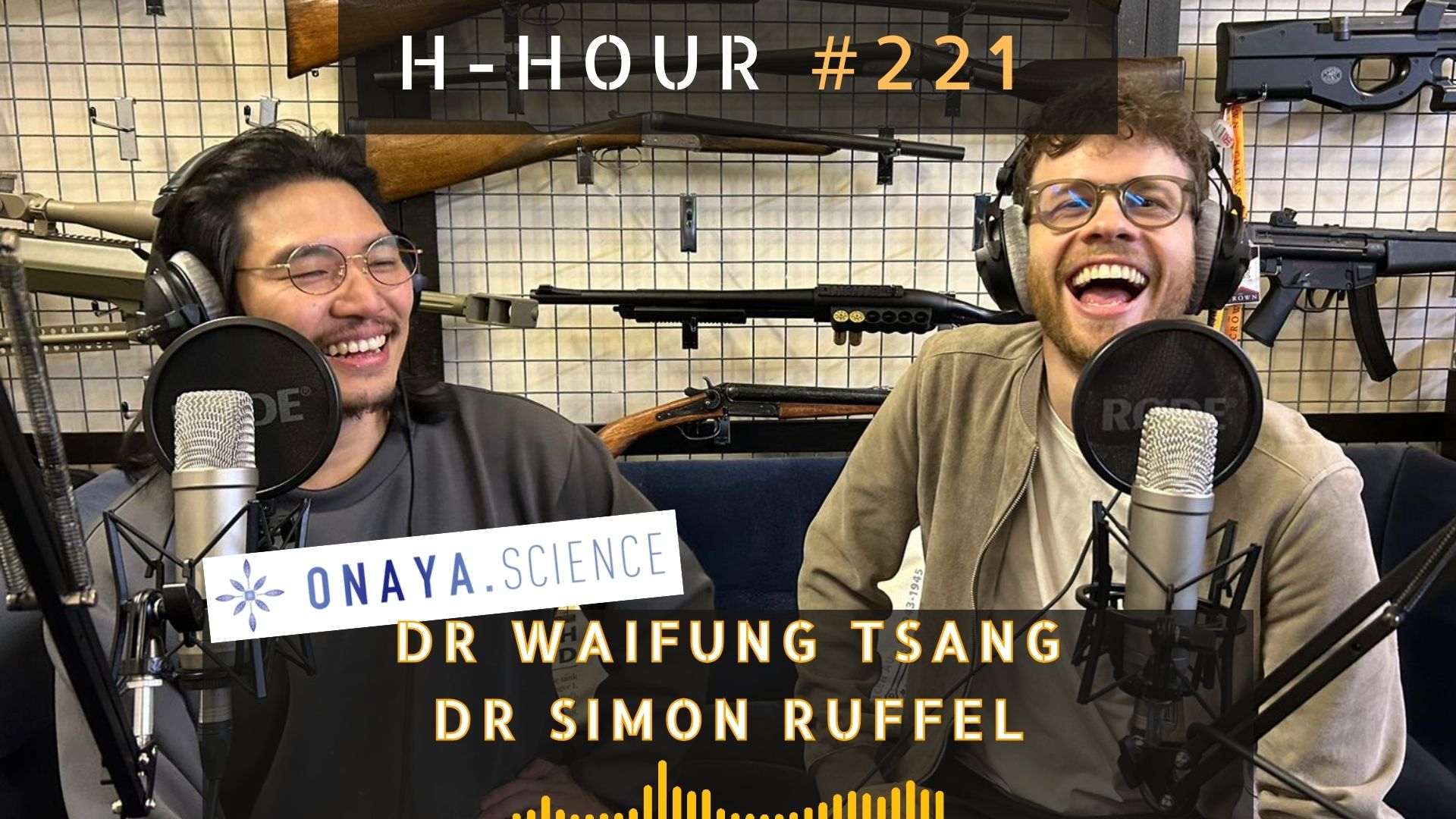
podcast intro and cover 221 Dr Simon Ruffel and Dr WaiFung Tsang - Onaya Science

H-Hour #221 Dr Simon Ruffel and Dr WaiFung Tsang – Ayahuasca Researchers / Onaya Science

Dr Simon Ruffell is a Psychiatrist & Senior Research Fellow and co-founder of Onaya Science.

Dr WaiFung Tsang is a Clinical Psychologist and co-founder of Onaya Science.

This conversation explores the research and therapeutic potential of ayahuasca, a psychedelic brew used in indigenous communities in South America. The discussion covers topics such as epigenetic changes, the long-term effects of ayahuasca, the gut-brain connection, and the involvement of indigenous communities in research. The conversation also touches on the challenges of conducting research in a shamanic and ritualistic context and the perception of ayahuasca research in the scientific community. This conversation explores various aspects of ayahuasca and its impact on spiritual practices, the benefits of plant medicine and Chinese medicine, the availability and variations of ayahuasca, research on ayahuasca-like compounds, the selection of the Shipibo community for retreats, the journey of research and learning in ayahuasca, the Amazon as an unknown cradle of civilization, future research and expansion of studies, exploring ayahuasca and traumatic brain injury, the changing perception of psychedelics in society, Onaya’s website and training programs, and funding and support for Onaya’s research.

Takeaways

  • Ayahuasca shows potential for therapeutic use in treating mental health conditions and trauma.
  • Epigenetic changes may occur as a result of ayahuasca use, potentially reversing genes associated with trauma.
  • The gut microbiome may be impacted by ayahuasca, and further research is needed to understand the long-term effects.
  • Involving indigenous communities in research is crucial for a holistic understanding of ayahuasca’s effects.
  • Ayahuasca research challenges traditional scientific methods and highlights the importance of the ritualistic and social aspects of the experience. Ayahuasca is being incorporated into various spiritual practices and traditions around the world, including Buddhism and Chinese medicine.
  • Plant medicine, including ayahuasca, is often focused on prevention rather than cure, and can provide fast-acting benefits compared to traditional Western medicine.
  • Ayahuasca can be found in various regions, and different variations of the plant can be combined to create similar experiences to traditional ayahuasca.
  • Research is being conducted on ayahuasca-like compounds, exploring their effects and potential therapeutic benefits.
  • The Shipibo community was selected for retreats due to their expertise in shamanism and their deep understanding of ayahuasca.
  • The research journey in ayahuasca is ongoing, with a focus on expanding studies and understanding the potential benefits of the plant.
  • The Amazon holds a wealth of unknown history and civilizations, with recent discoveries of ancient cities and civilizations.
  • Future research aims to explore the impact of ayahuasca on traumatic brain injury and expand studies to include different populations, such as elite sports athletes.
  • The perception of psychedelics is shifting, with increased acceptance and research in the field, leading to the establishment of psychedelic research departments in universities.
  • Onaya offers training programs and courses for individuals interested in exploring psychedelics, psychology, spirituality, and shamanism.
  • Onaya relies on donations and funding to support their research and continue their independent work.

Chapters

00:00Introduction and Background

03:02Meeting and Ayahuasca Research

07:10Epigenetic Changes and Childhood Trauma

10:30Long-Term Effects of Ayahuasca

13:57Integration and Environment

17:32Research in Clinical Settings

21:25Quantitative and Qualitative Research

23:41Gut Microbiome and Ayahuasca

25:32The Gut-Brain Connection

28:16Involving Indigenous Communities

29:39Epigenetics and Ancestral Trauma

31:54Genetics and Mental Health

37:28Choosing Genes for Research

41:34Perception of Ayahuasca Research

46:33Different Indigenous Communities and Ayahuasca

49:18Ayahuasca and its Influence on Spiritual Practices

51:05The Benefits of Plant Medicine and Chinese Medicine

52:32Ayahuasca Availability and Variations

53:26Research on Ayahuasca-like Compounds

54:20The Selection of the Shipibo Community for Retreats

55:42The Journey of Research and Learning in Ayahuasca

57:06The Amazon as an Unknown Cradle of Civilization

58:01Future Research and Expansion of Studies

59:16Exploring Ayahuasca and Traumatic Brain Injury

01:00:15The Changing Perception of Psychedelics in Society

01:02:57The Shift in Acceptance and Research on Psychedelics

01:04:46Onaya’s Website and Training Programs

01:07:29Funding and Support for Onaya’s Research

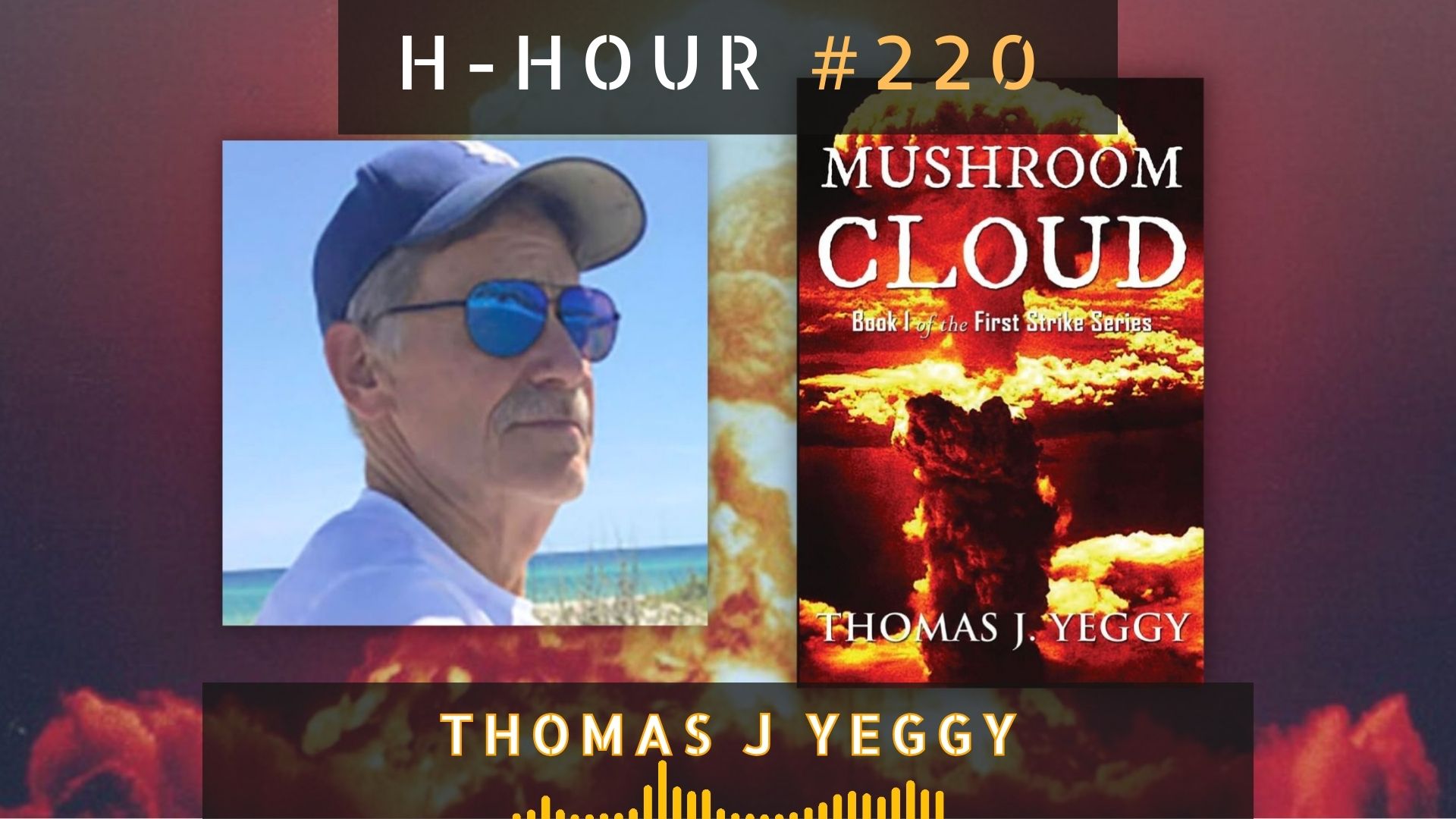
podcast intro and cover 220 thomas j yeggy

H-Hour #220 Thomas J Yeggy – author of the First Strike series

The conversation covers various topics related to nuclear weapons, including the inspiration for the First Strike series, the seriousness of the nuclear threat, tactical nuclear weapons, the risk of escalation in Ukraine, the need for nuclear arms control, the history of nuclear arms and deterrence, the risk of non-state actors obtaining nuclear weapons, and reducing the risk of nuclear conflict. The conversation also touches on the border control policy of the Biden administration. In this conversation, the topics discussed include open borders and immigration, potential nuclear threats, Taiwan and China, legalization of drugs, issues with drug treatment facilities, and promoting books and website. https://www.thomasjyeggy.com/

Takeaways

  • The risk of nuclear conflict is a serious concern, and efforts should be made to educate the public about the gravity of setting off nuclear weapons.
  • Tactical nuclear weapons are smaller in range and yield compared to strategic nuclear weapons, but they still have devastating effects.
  • The risk of non-state actors obtaining nuclear weapons, such as terrorist organizations, should not be underestimated.
  • Efforts should be made to reduce the number of nuclear weapons worldwide and improve safeguards to prevent their proliferation.
  • The border control policy of the Biden administration is a topic of debate and may be driven by political motivations.
  • Open borders are seen as a strategy to increase the number of immigrants who may identify with the Democratic Party and eventually be legalized.
  • The possibility of a nuclear attack is discussed, with potential threats from Russia and North Korea.
  • The situation in Taiwan and the potential response from the United States and NATO is explored.
  • The judge expresses his support for the legalization of drugs, citing the need for better treatment facilities.
  • The importance of promoting books and websites to reach a wider audience is emphasized.
  • The conversation concludes with appreciation for the host’s service and a desire for future discussions.

Chapters

  • 00:00 The Inspiration for the First Strike Series
  • 07:43 The Seriousness of the Nuclear Threat
  • 10:01 Tactical Nuclear Weapons
  • 16:33 The Risk of Escalation in Ukraine
  • 23:45 The Need for Nuclear Arms Control
  • 32:44 The History of Nuclear Arms and Deterrence
  • 44:04 The Risk of Non-State Actors Obtaining Nuclear Weapons
  • 57:05 Reducing the Risk of Nuclear Conflict
  • 01:03:51 The Border Control Policy of the Biden Administration
  • 01:07:08 Open Borders and Immigration 01:08:01 Potential Nuclear Threats
  • 01:10:17 Taiwan and China
  • 01:12:13 Legalization of Drugs
  • 01:15:08 Issues with Drug Treatment Facilities
  • 01:16:32 Promoting Books and Website
  • 01:18:24 Closing Remarks and Appreciation

H-Hour #219 Prof. Jo Neill

This conversation explores the field of psychopharmacology and the potential of psychedelics in treating mental health disorders. The guest, Jo Neill, a professor of psychopharmacology, discusses the definition and scope of psychopharmacology, the effects of psychedelics on the brain, and the challenges in drug discovery for mental health. The conversation highlights the need for alternative approaches to mental health treatment and the potential of psychedelics to heal individuals. The safety and long-lasting effects of psychedelics are also discussed, along with the concept of microdosing and blinding in clinical trials. Prof. Jo Neill emphasizes the promising substances of psilocybin and DMT in treating mental health conditions. This conversation explores the healing potential of psychedelics for trauma and mental health. The chapters cover topics such as understanding and facing trauma, the healing power of psychedelics, the default mode network and trauma, switching off the default mode network, reconnecting with childhood and healing, personal experiences with psychedelics, the positive impact and perception shift, challenges and legalization, clinical trials and MDMA for PTSD, the need for drug law reform, and how to support psychedelic medicine.

Jo is also a co-host of the excellent Drug Science podcast, available on all common podcast apps.   Source link here: https://www.drugscience.org.uk/drug-science-podcast/

Takeaways

  • Psychedelics enable individuals to understand and face their trauma, leading to healing and recovery.
  • The default mode network in the brain plays a role in trauma and mental health disorders, and psychedelics can switch it off, allowing for new connections and healing.
  • Psychedelics can provide profound and transformative experiences, shifting perceptions and leading to personal growth.
  • There are challenges in legalizing and researching psychedelics, but the evidence for their therapeutic potential is strong.
  • Supporting drug law reform and advocating for psychedelic medicine can help make these treatments more accessible and save lives.

Chapters

00:00 Introduction and Background
03:00 Definition and Scope of Psychopharmacology
06:29 Psychedelics and the Brain
10:20 Psychedelics from Plants
17:00 Challenges in Drug Discovery for Mental Health
19:25 Psychedelics as a Solution
32:18 Mental Health Crisis and the Need for Alternatives
43:56 Safety and Long-lasting Effects of Psychedelics
50:20 Microdosing and Blinding in Clinical Trials
55:23 Promising Substances: Psilocybin and DMT
57:21 Understanding and Facing Trauma
01:00:07 The Healing Power of Psychedelics
01:01:05 The Default Mode Network and Trauma
01:02:34 Switching Off the Default Mode Network
01:03:33 Reconnecting with Childhood and Healing
01:04:01 Personal Experiences with Psychedelics
01:06:17 Positive Impact and Perception Shift
01:07:17 Psychedelics and Personal Transformation
01:08:14 Challenges and Legalization
01:09:12 Clinical Trials and MDMA for PTSD
01:11:33 The Need for Drug Law Reform
01:15:33 How to Support Psychedelic Medicine
01:22:22 Drug Science Podcast and Advocacy


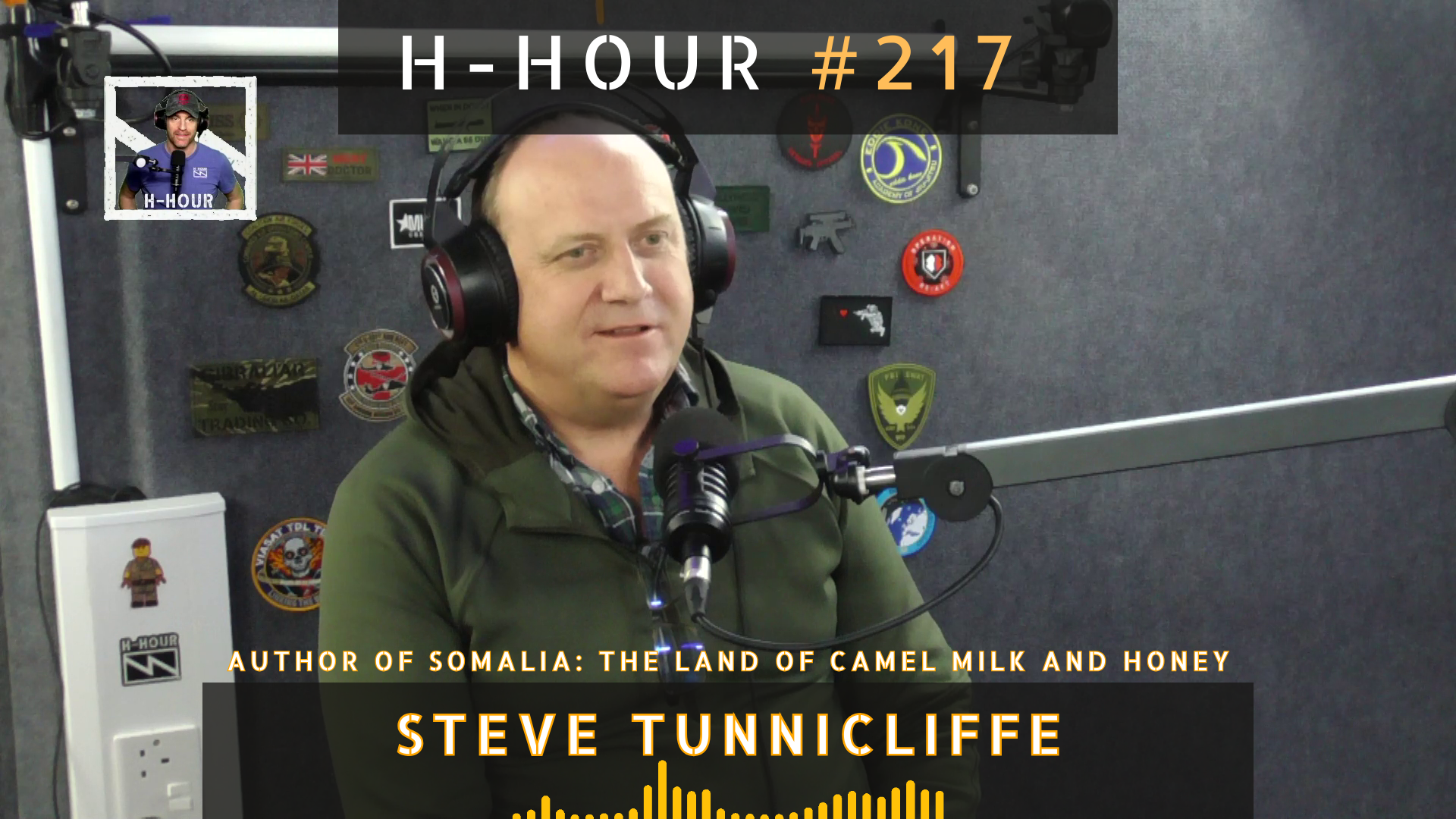
H-Hour #217 Steve Tunnicliffe – author

Steve Tunnicliffe spent his adolescent childhood years in Somalia before it descended into chaos. He encountered traditions, customs, and practices that predate Islam, many of which are likely to have vanished by now. He witnessed the beauty of a country with a deep cultural heritage that stretches far beyond the shores of the Indian Ocean.  His book “Somalia: The Land of Camel Milk and Honey” is a collection of reflections and recollections from a time long past but still deeply held dear by many Somalis and visitors to this day.

https://www.amazon.co.uk/Somalia-Camel-Honey-Reflections-Recollections/dp/191696480X

https://www.stevetunnicliffe.com/

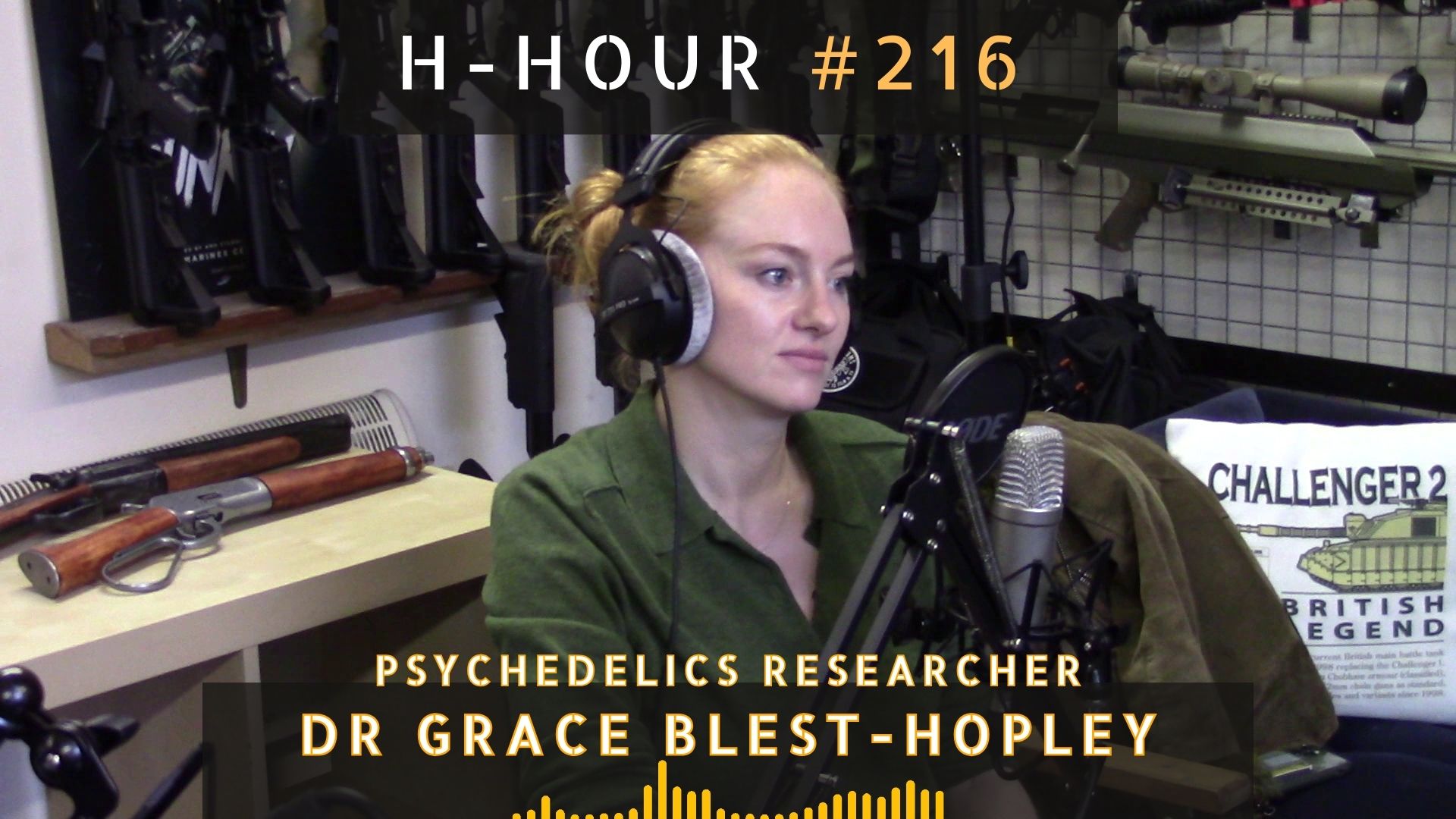
H-Hour #216 Grace Blest-Hopley – psychedelics Research Director

Join this channel to get access to perks:
https://www.youtube.com/channel/UC8s1IhFtIBtPR8rE8Q0oW9Q/join

Join the H-Hour community today on Discord: https://discord.gg/ncFRpvTkjX

Dr Grace Blest-Hopley is a researcher in the neurochemical and neurofunctional underpinnings of cannabis, cannabinoids *(E.g. CBD and THC) and psychedelics. Dr Blest-Hopley is also the Research Director at Heroic Hearts Project, a charity connecting military veterans with mental trauma to psychedelic therapy options: ayahuasca, psilocybin, ketamine. https://www.heroicheartsuk.com/

Takeaways

CBD has anti-inflammatory properties and can modulate various systems in the body, but the quality and potency of CBD products vary.

The endocannabinoid system plays a crucial role in regulating brain and body functions, and dysregulation can contribute to disease.

Sleep deprivation can lead to hallucinations and has a significant impact on mental and physical health.

Psychedelic medicines, such as MDMA and psilocybin, show promising results in treating mental health disorders, including PTSD and major depressive disorder.

Psychedelic therapy requires a comprehensive approach, including preparation, the psychedelic experience, and integration into daily life. Psychedelic medicines show potential in treating PTSD and mental health disorders in the UK armed forces.

Psilocybin mushrooms have been studied for their therapeutic benefits in a psychotherapy setting.
The government’s response to psychedelic-assisted psychotherapy has been cautious, despite evidence of its effectiveness.

Proper screening and safety precautions are essential in psychedelic therapy to minimize risks and side effects.

The future of psychedelic medicine includes exploring different models of therapy and scalability.
Psychedelic therapy has the potential to reconnect individuals with themselves, their communities, and the world around them.

Community support networks are crucial in sustaining the benefits of psychedelic therapy.
Indigenous peoples have a long history of using psychedelic medicines and can provide valuable knowledge and wisdom.

Psychedelic therapy has a mystical and magical component that goes beyond traditional psychiatric approaches.

Reducing stigma and engaging the military community are important steps in making psychedelic therapy more accessible.
Summary

In this conversation, Hugh Keir and Dr Grace discuss the properties and benefits of CBD, the role of the endocannabinoid system in regulating brain and body functions, and the potential of psychedelics in treating mental health disorders. They also explore the importance of sleep and the impact of sleep deprivation on mental health. Hugh shares insights from his work with veterans and the positive effects of psychedelic medicine in helping them heal and regain emotional connection. The conversation highlights the need for further research and understanding of these alternative treatments. This conversation explores the use of psychedelic medicines in treating PTSD and mental health disorders in the UK armed forces. The discussion covers the potential benefits of psilocybin mushrooms in psychotherapy and the government’s response to psychedelic-assisted psychotherapy. The risks and side effects of psychedelic medicines are also discussed, along with the importance of proper screening and safety precautions. The conversation delves into the future of psychedelic medicine and different models of therapy, including the use of psychedelics in the Netherlands. The importance of community support networks and the role of psychedelics in reconnecting with oneself and society are highlighted. The conversation concludes with a discussion on the significance of ancestry and cultural practices in psychedelic therapy and the need to reduce stigma and engage the military community in this healing modality.

Chapters

00:00 Introduction and Catching Up
00:28 CBD and PTSD
01:23 Properties of CBD and THC
02:21 The Endocannabinoid System
03:14 The Importance of the Endocannabinoid System in Psychiatry
04:13 The Discovery of Cannabinoids
05:10 The Link Between Hormones and Brain Function
06:10 The Connection Between Endocrinology and Psychiatry
07:05 The Role of Hormones as Neurosteroids
08:03 CBD’s Anti-Inflammatory Properties
08:53 Cell Line Testing
09:21 CBD’s Modulatory Effect on Systems
10:17 CBD’s Effect on Muscle Recovery
11:12 The Complexity of CBD’s Mechanisms
12:36 The Impact of CBD on Epilepsy
14:33 Licensing Challenges for Cannabis Medicines
16:31 Regulations and Quality Control for CBD Products
18:25 The Home Office’s Regulations on THC in CBD
20:18 The Risk of Testing Positive for THC with CBD Use
21:14 Recommended CBD Retailers
23:13 Psychedelics and the Relationship Between Plants and Humans
24:07 The Progress in Psychedelic Medicine Research
25:01 The Impact of Sleep Deprivation
26:23 Dreaming and Hallucinations
27:37 The Causes of Hallucinations from Sleep Deprivation
28:37 The Importance of Sleep in Mental Health
29:35 The Need for Enforced Rest in the Military
30:02 The Importance of Rest in the Military
31:00 The Importance of Sleep in Society
34:13 The Progress in Psychedelic Medicine Research
36:02 The Impact of MDMA on PTSD
37:27 The Impact of Psilocybin on Major Depressive Disorder
38:14 The Use of Psychedelics in Treating Veterans
39:43 The Profound Effects of Psychedelic Medicine
43:34 The Challenges and Benefits of Psychedelic Therapy
48:23 The Resistance to Psychedelic Medicine in Society
52:32 The Progress in Rescheduling Psychedelic Drugs
53:30 PTSD and Untreated PTSD in UK Armed Forces
54:27 The Use of Psilocybin Mushrooms in Psychotherapy
55:34 Government Response to Psychedelic Assisted Psychotherapy
56:04 Major Risks and Side Effects of Psychedelic Medicines
57:24 Screening and Safety Precautions for Psychedelic Therapy
59:20 Risks of Cannabis Use and Psychotic Disorders
01:00:36 The Future of Psychedelic Medicine and Scalability
01:01:30 Synthesizing Psychedelic Medicines
01:03:57 Psychedelic Therapy in the Netherlands
01:04:26 Different Models of Psychedelic Therapy
01:06:21 Psychedelics and Reconnecting with Oneself and Society
01:07:49 Psychedelic Therapy and Support Networks
01:09:14 Psychedelic Therapy for Military Families
01:10:44 The Importance of Ancestry and Cultural Practices
01:12:09 Indigenous Peoples and Psychedelic Medicines
01:19:11 The Mystical and Magical Component of Psychedelics
01:25:41 Reducing Stigma and Engaging the Military Community

iTunes: https://itunes.apple.com/gb/podcast/h-hour/id1388879117?mt=2
Spotify: https://open.spotify.com/show/7xePDvrT2Iwuon3O0Mc5ll

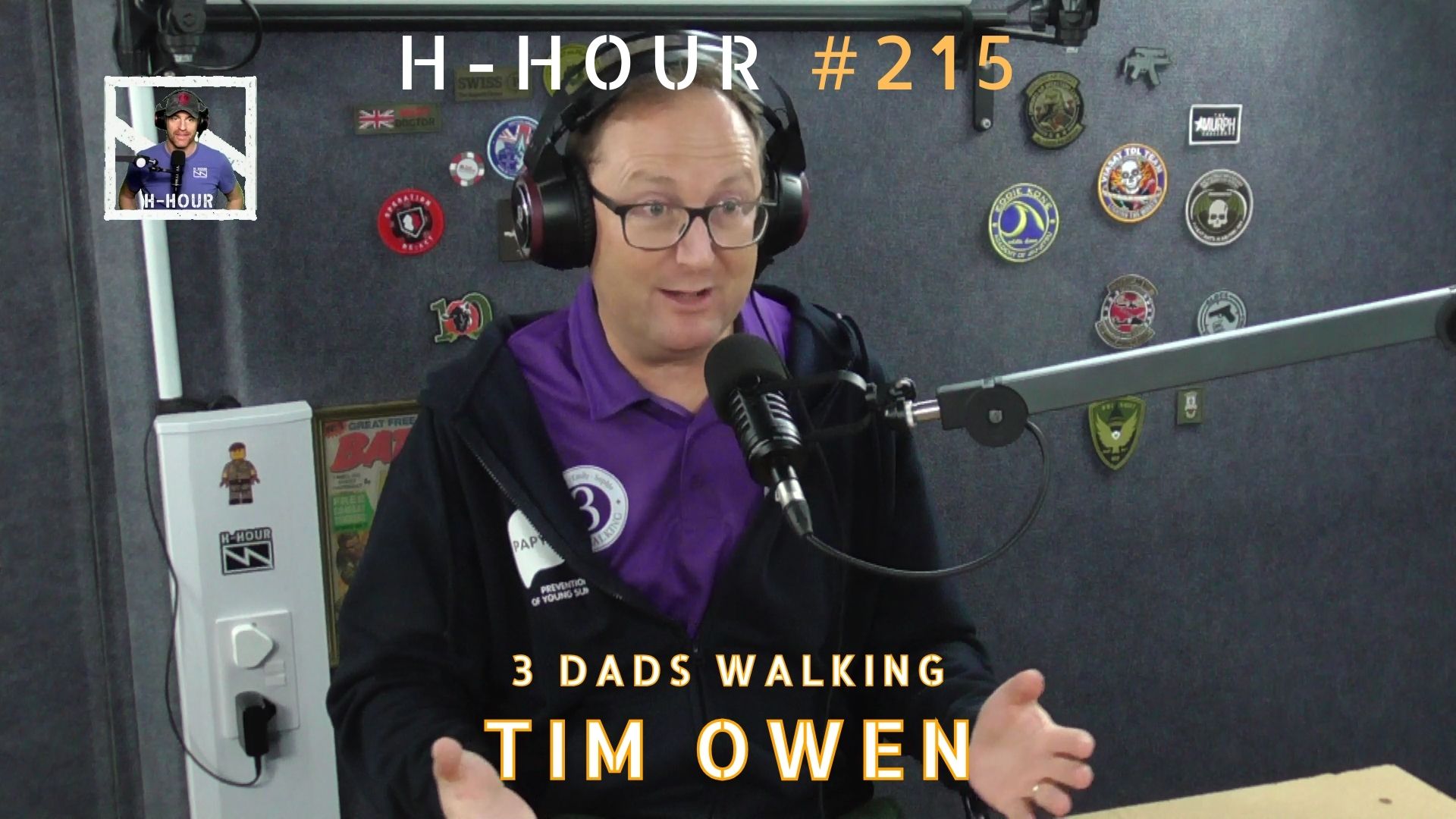
H-Hour #215 Tim Owen – former military pilot, co-founder of Three Dads Walking

Tim Owen is one third of 3 Dads Walking. 3 Dad’s Walking in their own words: “Suicide is the biggest killer of those under 35 in the UK. We only learned this terrifying fact because our daughters took their own lives within the last 3 years. By raising awareness, we hope we can help prevent other families from being devastated by suicide.” https://www.3dadswalking.uk/ https://www.papyrus-uk.org/

H-Hour #211 Tara Austin – Psychedelic Evangelist, Behavioural Strategist

Tara Austin leads hybrid behavioural, brand and data science projects for global and UK clients, focused on consumer and citizen behaviour change.  Tara is also Campaign Director for the PAR campaign for Psilocybin Access Rights:  a volunteer organisation which is calling on the government to reschedule psilocybin (the psychoactive compound in “magic mushrooms”) to make it accessible for medical research. This could lead to the development of new therapies and would bring hope to the suffering of millions of people in the UK with conditions that currently have limited and inadequate treatment options. For more information on the potential benefits of psilocybin please see par.global

podcast intro and cover 210 aron welsh

H-Hour #210 Aron Welsh – author of Never Really Over

Aron Welsh is a former soldier who, while in an induced coma battling a lethal infection, suffered from an acute onset of intensive care psychosis. He authored a book about his experiences called “Never Really Over”, available at this link: https://www.amazon.co.uk/Never-Really-Over-Aron-Welsh-ebook/dp/B097Z2SV6D

Podcast host: Hugh Keir ( @hughkeir )

H-Hour military UK podcast on youtube

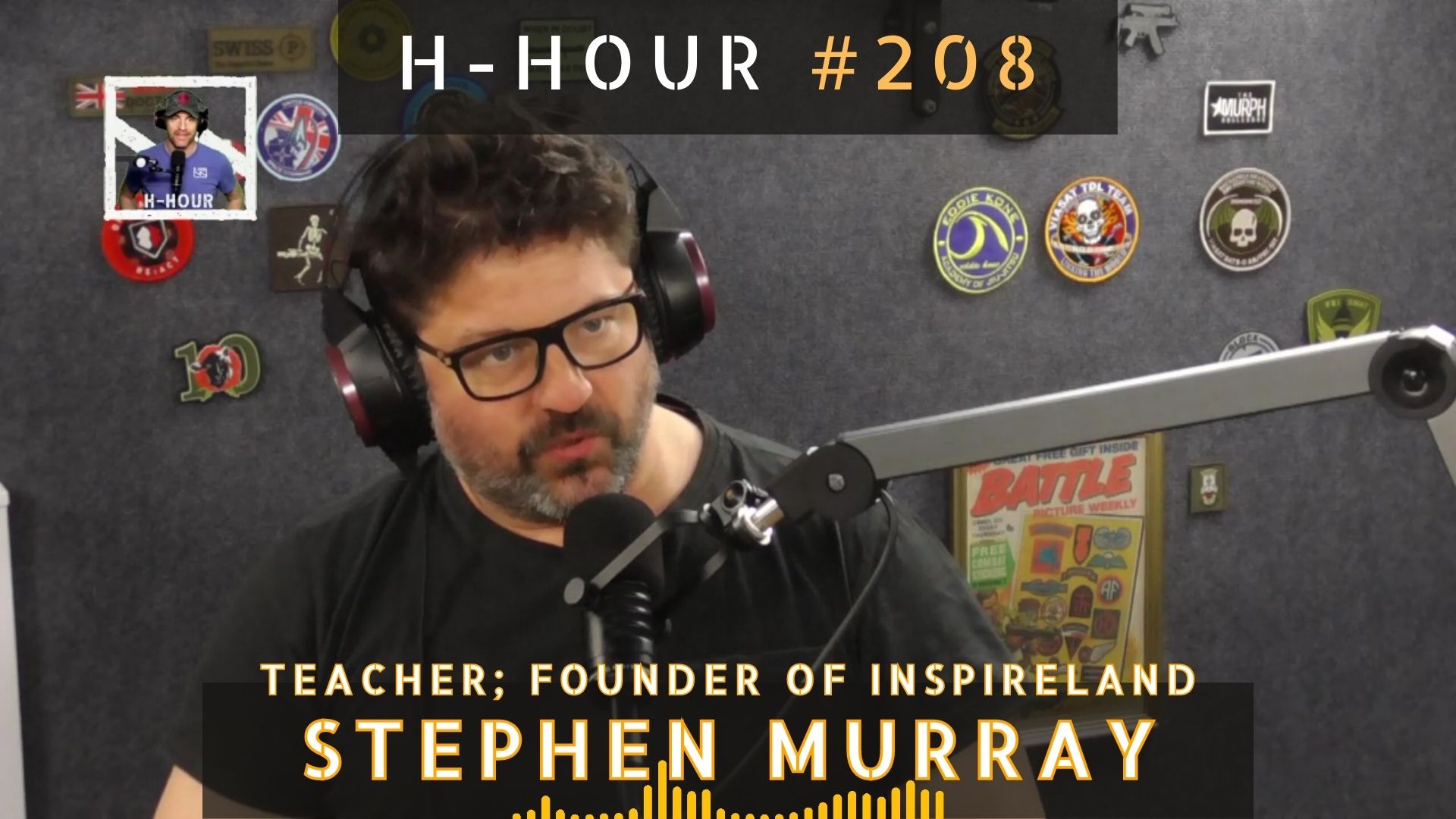
H-Hour #208 Stephen Murray – teacher, poet, founder of Inspireland

Stephen Murray is a teacher, the founder of Inspireland and is also an award winning poet – with two published collections of poetry which have received widespread critical acclaim. He is regarded as Ireland’s leading poetry workshop provider for young people and has delivered workshops to over 50,000 young people in Ireland. His work has featured on Nationwide, RTE TwoTube, TV3, Arena, BBC 2, The Irish Times, the Independent and Hot Press.

https://twitter.com/StephenthePoet

https://inspireland.ie/

Podcast host: Hugh Keir ( @hughkeir )

H-Hour military UK podcast on youtube
podcast intro 206 jess nesling

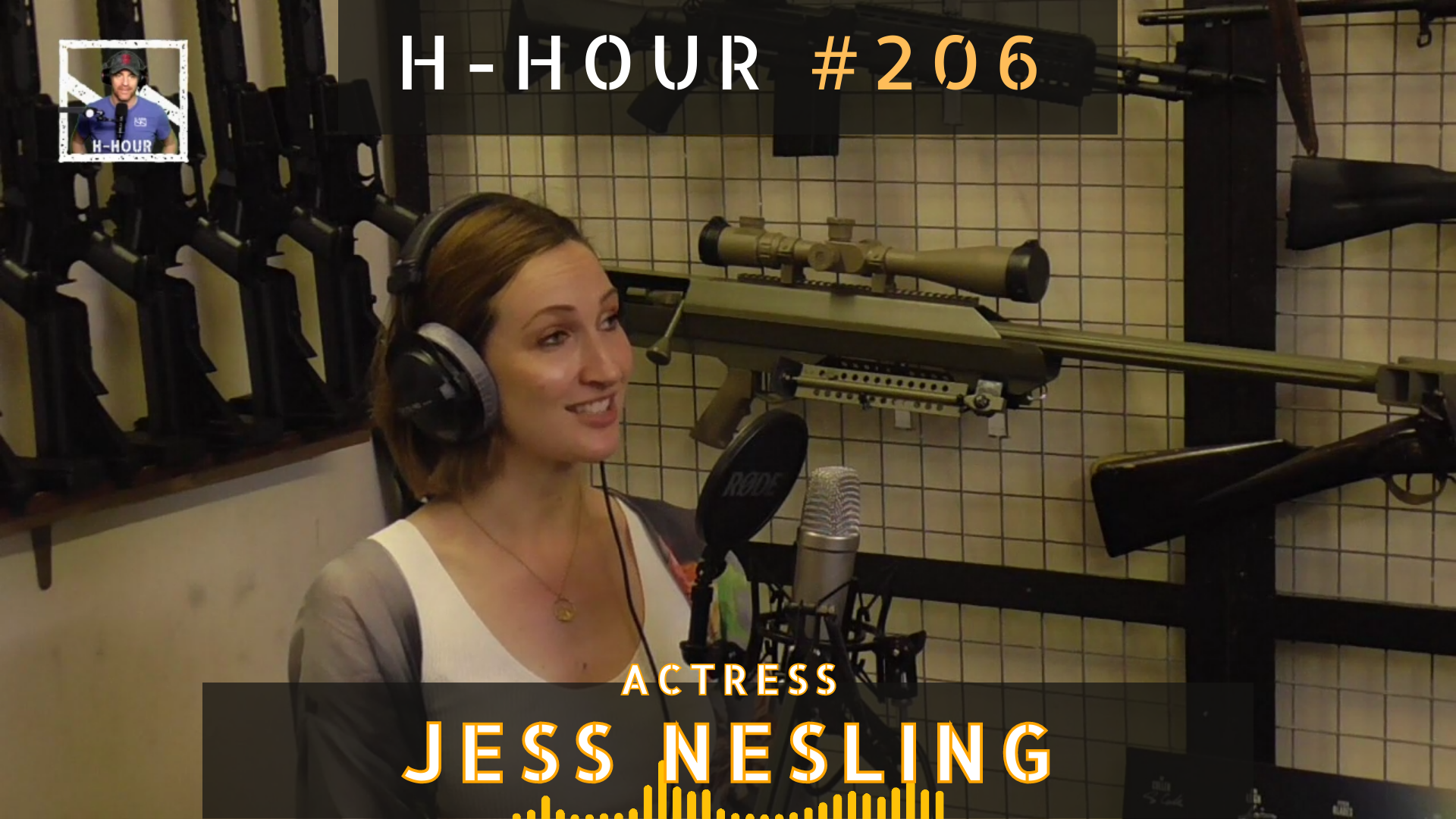
H-Hour #206 Jess Nesling – actress

Jess Nesling is a London-based actress and voice artist originally from Swansea, South Wales. Jess has played Queen Elizabeth in Antic Disposition’s critically acclaimed tour of Richard III , Elvira in Blithe Spirit and Hermione in The Winter’s Tale with Changeling Theatre. Jess is currently writing her first full-length play, about the women of Kilmainham Gaol. https://jessnesling.co.uk/

Podcast host: Hugh Keir ( @hughkeir )

H-Hour military UK podcast on youtube

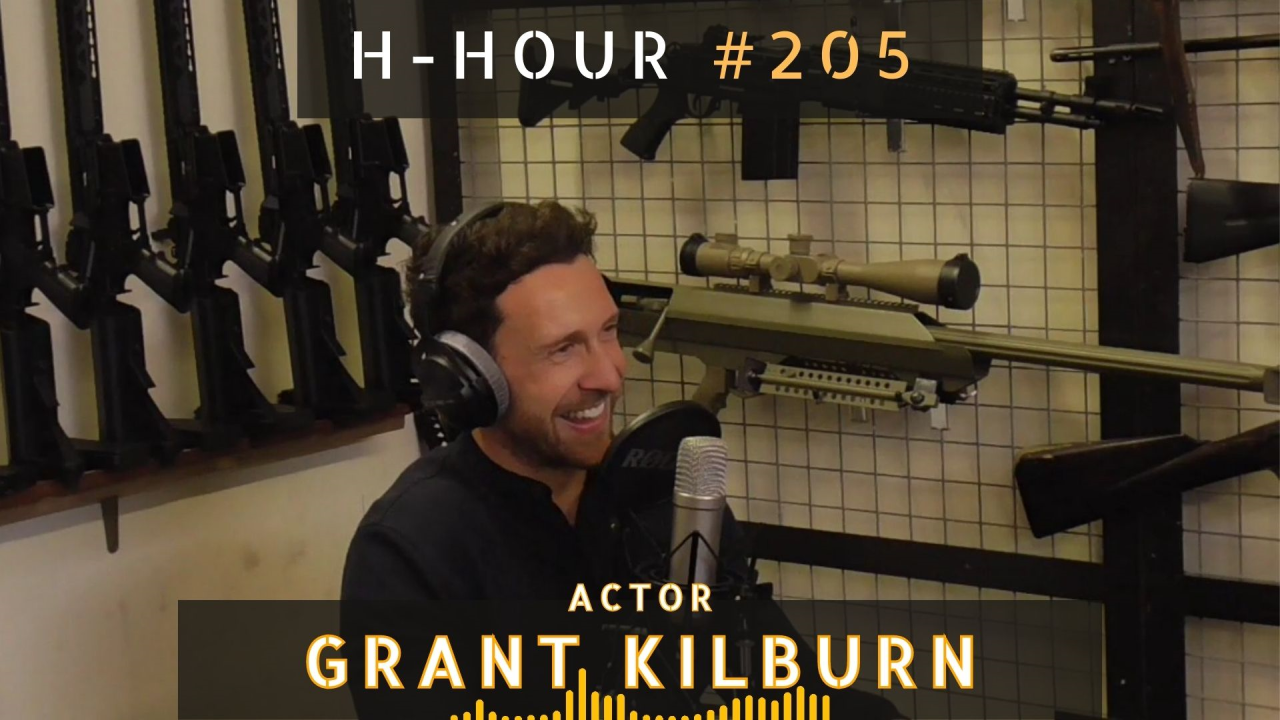
H-Hour #205 Grant Kilburn – actor, stroke survivor

Grant Kilburn is an actor who featured in the film Kajaki (a.k.a. Kilo Two Bravo) but at just 23years old, he suffered a stroke, which resulted in him taking a step away from acting for nearly a decade.  He is currently performing in 2:22 A Ghost Story – a thriller play by Danny Robins showing in London’s Apollo Theatre now. www.instagram.com/grantkilburn/ https://222aghoststory.com/

Podcast host: Hugh Keir ( @hughkeir )

H-Hour military UK podcast on youtube